
Mercury Aerial Observation Challenge
Mercury Aerial Observation Challenge
Mercury is the first planet from the Sun and the smallest in the Solar System. It is a planet with extreme temperature (430°C during the day), almost no atmosphere and extremely cratered suface. In October 2023, our Space Science teacher challenged us to visualize Mercury and submit a picture taken from our own devices by the end of the year. What initially seemed straightforward quickly became one of the most challenging yet rewarding projects of my high school experience...
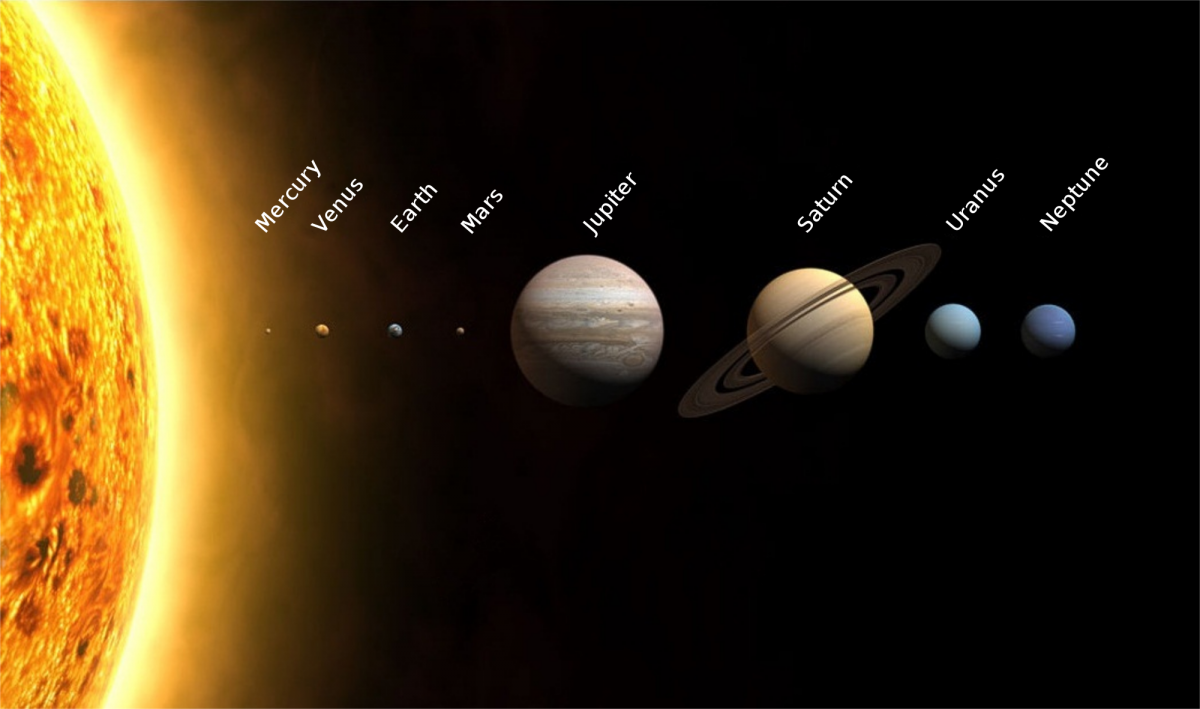 Image credit: Ethan Siegel on forbes.com
The Photo of Mercury
Why I Accepted the Challenge
Astronomy has always been my hobby since I was a child. I enjoyed the quietness of stargazing and have always wanted to see stars and planets up close. From my cousin's telescope, I was finally able to see some stellar objects (the Moon, Jupiter, etc) clearly. However, as I moved to Canada, the telescope broke in the process and I slowly began to lose interest in the night sky. This challenge reignited my passion and for the first time ever, I am able to explore my astronomy interests through academic challenges.
Research
First I need to determine where and when is Mercury visible. The timing is the easy part, according to google, Mercury is visible during evenings for about a week in early December. It is my first and final attempt to take the picture before the end of the year.
The location, specifically the altitude and azimuth, is another story. Common internet results only give its approximate position relative to the sun (the visual is similar to 2 dots on a screen), which is extremely difficult to locate on camera. Thankfully, I found an astonomy software named Stellarium that provides accurate, day to day star map that is geolocated to my location. In other words, it shows me exactly where mercury is and when it is visible relative to my position.
However, there is an important factor that may lead to issues when taking the picture. As shown above, mercury only appears for a few minutes just after sunset before disappearing under the horizon. To make matters worse, the position of visibility is right above the horizon, meaning I need a place to visulize the horizon. Unfortunately, there are no such place near where I live, meaning I have to travel for more than 30 minutes to find a high rooftop where I can visulize the horizon.
Initial Attempt
My Plan
- 1. Select an appropriate day where Mercury is visible for the longest period of time and is above the horizon by a sastifactory margin
- 2. Travel to the rooftop (in the building where my friend live) and set up a high pixel camera with a tripod to stablize
- 3. Have the camera constantly record between 5-6pm where Mercury is most likely visible
- 4. If Mercury is observed by the naked eye, take pictures while the camera is recording
- 5. If Mercury is not observed by the naked eye, analyze the recording to see if it is visible from there
- 6. If all else fails, use the low resolution camera on my drone to visulize the horizon and attempt again
On the afternoon of December 1st, I executed the plan. Initially I was excited thinking the about how easy the task would be after all my preparation. However, I quickly realized a fatal mistake: I forgot to consider the weather. The cloudy weather have blocked my sight to the horizon completely and they refused to move after hours of waiting. Regardless, I continued with the plan, hoping the wind would scatter the cloud and make Mercury visible for even a split of a second...
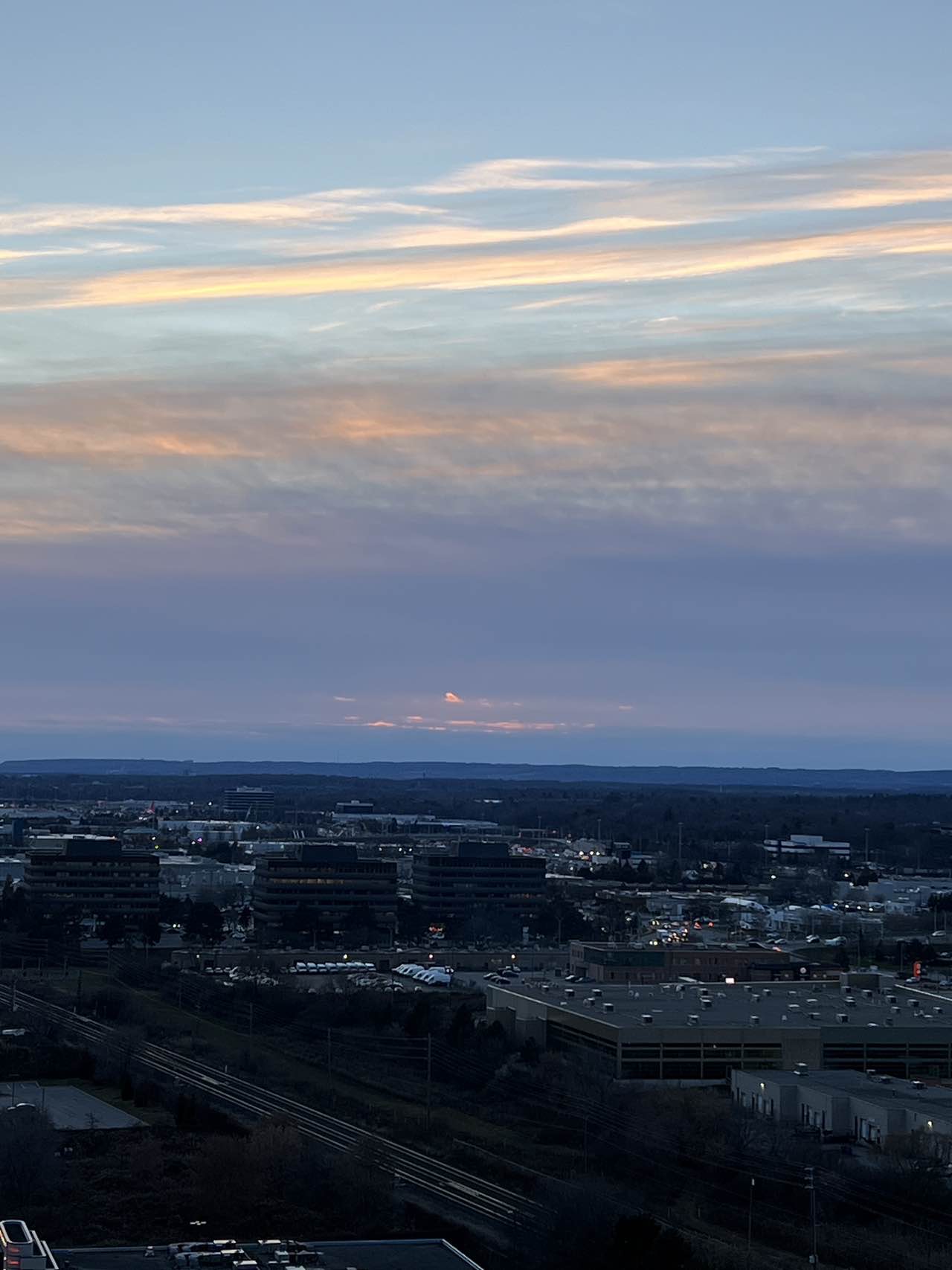
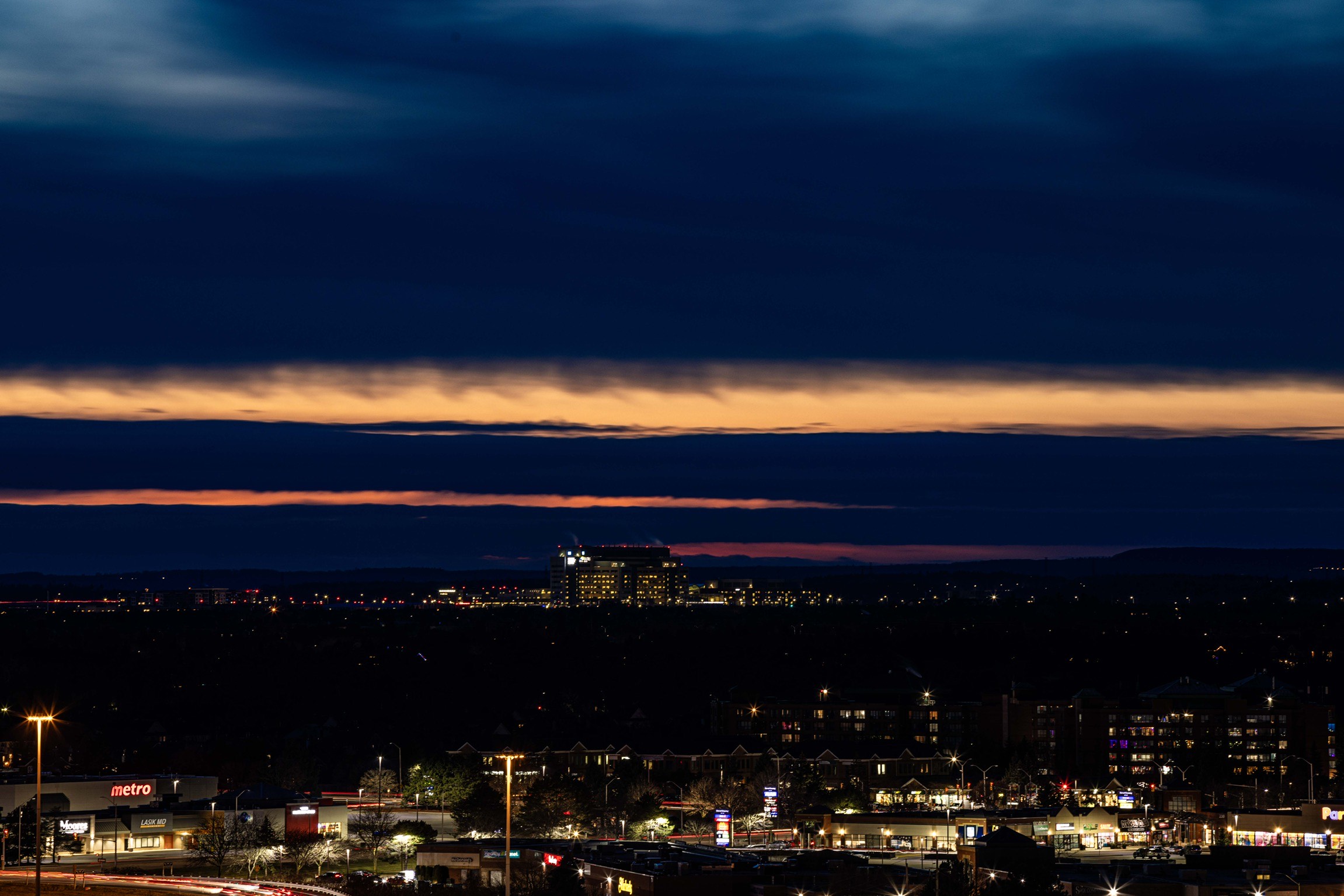
Unfortunately, the miracle did not happen, the clounds refused to scatter and Mercury was not visible even after analyzing all the pictures / videos. To make matters worse, it is either cloudy or raining for the entire duration of when Mercury is visible. That is when a realization hit me: this task is called a "challenge" because mercury visibility periods throughout the year overlap perfectly with rainy / snowy season, making it almost impossible to visualize. On the bright side, I got some wonderful pictures of the sun set...
Continued Effort
Unfortunately for the challenge, giving up is not a part of my dictionary. For the next 5 days, I flew over 30 sorties with my drone, constantly taking photos and videos of the horizon during sun set to see if I am able to capture Mercury. This continued until the second last day of the Mercury visibility window, December 6th around 5:40~5:50pm, I successfully took a picture of what I believe is Mercury. It is partly blocked by the cloud but it is the best I have due to the cloudy weather.
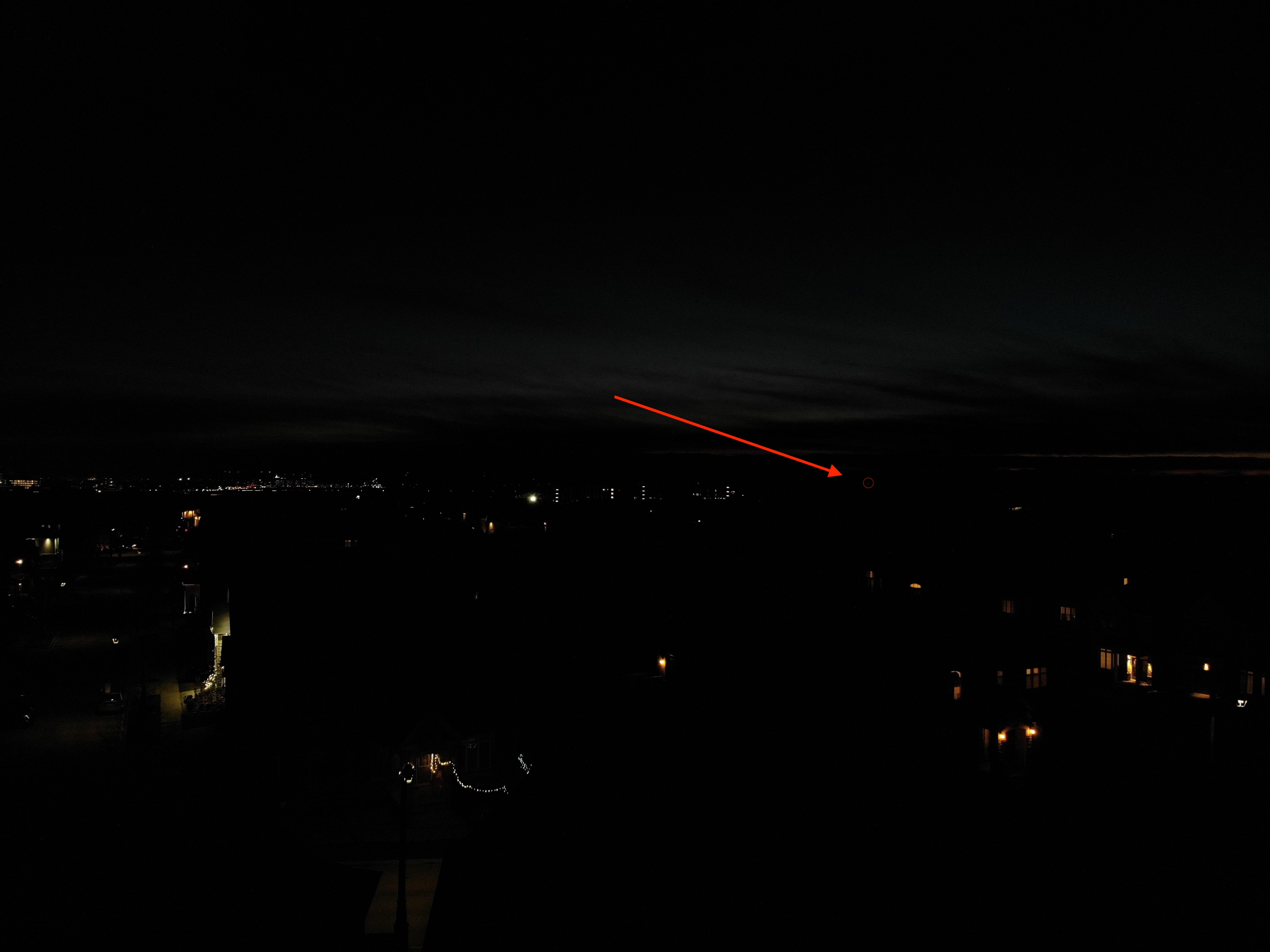
Afterwards, I showed the picture to my Space Science teacher who agreed the little half-dot on the picture (half blocked by cloud and barely visible here) was indeed Mercury. He then confirmed I was the 4th person to complete this challenge in over 25 years.
Reflection
This challenge taught me to be more careful when creating solutions to a given problem. The fact I forgot about the weather is a perfect example of how failure to consider details can cause catastrophic failures. Thankfully, my backup plan saved me this time, reminding me of the importance of never giving up. Even I must admit after 30+ sorties and hundreds of pictures that I am losing hope. However, my unwaivering determination pushed me forward and eventually I prevailed agianst all odds.
From the lessons learned, I grew increasingly confident in my ability to navigate complex challenges in the future, whether in university or beyond.